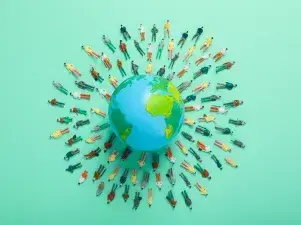

World Water Day 2026 – Where Water Flows, Equality Grows: Strengthening Water Security in the Greater Caribbean
By: Anne-Love Soter.
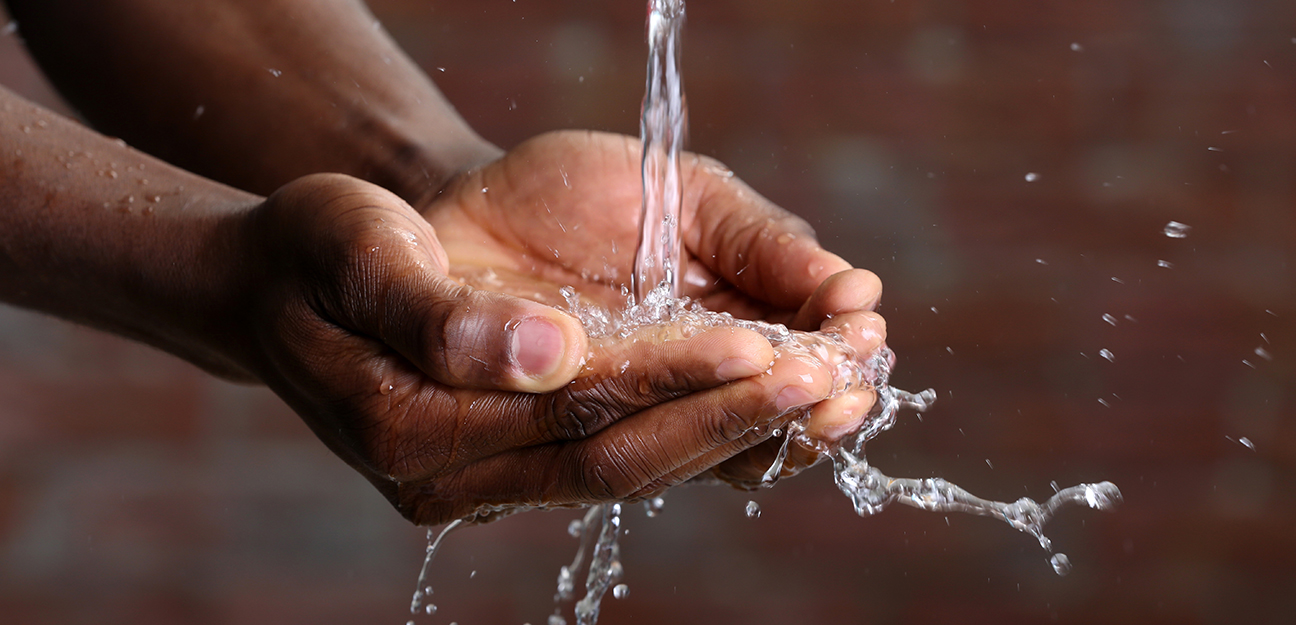
Every year on 22 March, World Water Day reminds us of a simple but essential truth: water sustains life, economies, and ecosystems. Access to safe drinking water and sanitation is recognized by the United Nations as a fundamental human right, essential for health, dignity, and sustainable development, notably SDG 6 on Clean Water and Sanitation, as well as SDG5 on Gender Equality. The theme of World Water Day 2026, “Where water flows, equality grows,” (1) highlights the strong connection between water access and gender equality. Yet today, around 2 billion people worldwide still lack safely managed drinking water, and nearly half of the global population experiences severe water scarcity at least one month per year (2). These pressures are intensified by climate change, pollution, and growing demand for water resources.
In the Greater Caribbean, water security remains a significant challenge, particularly for Small Island Developing States (SIDS). Limited freshwater reserves, increasing droughts, saltwater intrusion, and extreme weather events are placing growing pressure on water systems across the region. In some territories, these challenges are compounded by aging infrastructure and pollution, making reliable access to clean water increasingly difficult.
The situation in Guadeloupe illustrates how serious these challenges can become. Despite abundant rainfall, the island has faced a long-standing water crisis linked to deteriorating infrastructure and contamination concerns. In some areas, between 60% and 70% of treated drinking water is lost through leaks in outdated pipelines (3), leading to frequent supply interruptions. As a result, many residents experience regular water cuts, sometimes lasting days or even weeks, making daily activities such as cooking or taking a shower extremely difficult. These disruptions often place a particular burden on women and caregivers, who are frequently responsible for household water management and childcare. For mothers with young children, prolonged water shortages can create serious challenges for maintaining hygiene, preparing food, and ensuring the wellbeing of their families (4). In addition, decades-old pollution from chlordecone, a toxic pesticide used in banana plantations until the 1990s, continues to contaminate soils and water resources on the island. Such situations highlight how unequal access to safe water can undermine basic human rights and quality of life in island communities.
Across the region, however, governments, civil society partners, and local organizations are working to strengthen water resilience. For example, civil society organizations such as the NGO Kimbé Rèd F.W.I (5) have been actively raising awareness and advocating for improved water management and equitable access to safe drinking water in Guadeloupe. At the same time, innovative solutions are emerging elsewhere in the Caribbean. In Barbados, for example, a recent climate-finance initiative will mobilize over US$125 million (6) to upgrade water infrastructure, improve wastewater treatment, and increase water reuse, helping to ensure a more reliable supply of freshwater while reducing pollution entering the marine environment. Initiatives like this demonstrate how sustainable investment in water management can simultaneously strengthen climate resilience and protect coastal ecosystems.
Healthy ecosystems are essential to maintaining the region’s water security. Wetlands, forests, mangroves, and watersheds naturally regulate the water cycle, store freshwater, filter pollutants, and reduce the impacts of floods and storms (7). In this way, ecosystems play a dual role: supporting water security while also strengthening disaster risk reduction and climate resilience by absorbing floodwaters, stabilizing coastlines, and buffering communities from storms and erosion. Protecting these ecosystems therefore plays a critical role in ensuring the long-term availability and quality of freshwater resources, while also contributing to climate adaptation efforts under the Paris Agreement and global biodiversity targets established through the Kunming-Montreal Global Biodiversity Framework, as ecosystems such as wetlands and mangroves help store carbon, protect biodiversity, and reduce climate-related risks. For many Caribbean communities, especially those living near coastal wetlands and river basins, these ecosystems are also closely tied to livelihoods, food security, and cultural heritage. Strengthening water security also contributes to greater social equity, empowering communities, and particularly women, to play an active role in sustainable water management.
Within this context, the Association of Caribbean States (ACS) continues to promote regional cooperation on water resilience through the work of its Directorate for Disaster Risk Reduction, Sustainable Tourism, the Caribbean Sea and Environment (DDTCE). Through its Caribbean Sea Commission, the ACS facilitates dialogue among 25 Member States and 10 Associate Members, promotes ecosystem-based solutions, and encourages coordinated responses to shared environmental challenges affecting the region’s marine and freshwater resources. In recent years, massive influxes of sargassum across the Caribbean have emerged as a growing environmental concern (8). When large quantities of these algae accumulate along coastlines and begin to decompose, they can release harmful gases and nutrients that degrade coastal water quality, threaten marine ecosystems, and impact tourism and local livelihoods. Recent initiatives, such as the ACS Sargassum Sub-Commission (9), aim to strengthen regional cooperation and scientific coordination to address these marine and coastal impacts while supporting more effective monitoring, management, and response strategies. By fostering collaboration among governments, scientists, and international partners, the ACS contributes to protecting the Caribbean Sea while strengthening environmental resilience across the Greater Caribbean.
On this World Water Day, the message is clear: protecting water means protecting communities, ecosystems, and future generations. Ensuring reliable access to safe water is not only an environmental priority, it is a fundamental human right and a key driver of equality and sustainable development across the Greater Caribbean.
References:
- United Nations. (n.d.). World Water Day. https://www.un.org/en/observances/water-day
- United Nations Caribbean. Caribbean launch of the UN World Water Development Report. https://caribbean.un.org/en/224757-caribbean-launch-un-water-report-flags-subregional-priorities
- Office of the United Nations High Commissioner for Human Rights. (2024, March 28). UN experts urge France to guarantee safe drinking water in Guadeloupe https://www.ohchr.org/en/press-releases/2024/03/un-experts-urge-france-guarantee-safe-drinking-water-guadeloupe
- StreetPress. (n.d.). Vraie vie : Nathalie, maman guadeloupéenne, sans eau courante. https://www.streetpress.com/sujet/1690291934-vraie-vie-nathalie-maman-guadeloupeenne-sans-eau-courante
- Council of Europe. (n.d.). International Federation for Human Rights (FIDH) v. France, Complaint No. 240/2024: Collective complaint relating to access to drinking water in Guadeloupe and chlordecone poisoning in the French West Indies. https://rm.coe.int/cc240casedoc1-en/1680b4c6ff.
- Cleary Gottlieb. (2024, December 5). Barbados launches the world’s first debt-for-climate-resilience transaction..
- American Flood Coalition. (n.d.). Adapting to flooding and sea level rise through wetland conservation. https://floodcoalition.org/adapting-to-flooding-and-sea-level-rise-through-wetland-conservation/
- United Nations Development Programme. (n.d.). Improving national sargassum management capacities in the Caribbean. https://www.undp.org/barbados/sargassum
- Association of Caribbean States. ACS Establishes Sargassum Sub-Commission. https://www.acs-aec.org/en/news/acs-establishes-sargassum-sub-commission-strengthen-ocean-governance-greater-caribbean


Share


Related Articles
The Greater Caribbean Day: Recognising a Shared Region, Strengthening a Shared Future
By: Anaïs Régina-Renel Introduction
Beyond Fragmented Governance: Reimagining the Caribbean Sea as a Common Patrimony - World Oceans Day 2026
By: Robin Alberto Montano
Guarding the Heartbeat of the Caribbean Sea: World Reef Awareness Day 2026
By: Robin Alberto Montano