

World Wetlands Day 2026: Advancing Cultural Heritage and Sustainable Futures in the Greater Caribbean
By Anne-Love Soter
Each year on 2 February, the international community observes World Wetlands Day, an occasion that in 2026 highlights the theme “Wetlands and traditional knowledge: Celebrating cultural heritage.” The observance marks the anniversary of the signing of the Ramsar Convention on Wetlands in 1971. Today, the Convention brings together 172 Contracting Parties and 2,520 Wetlands of International Importance, covering over 253 million hectares worldwide (1). This global framework remains central to international efforts to conserve and sustainably use wetland ecosystems that quietly sustain life on land and sea, while recognizing the vital role of traditional knowledge and cultural practices in their stewardship.
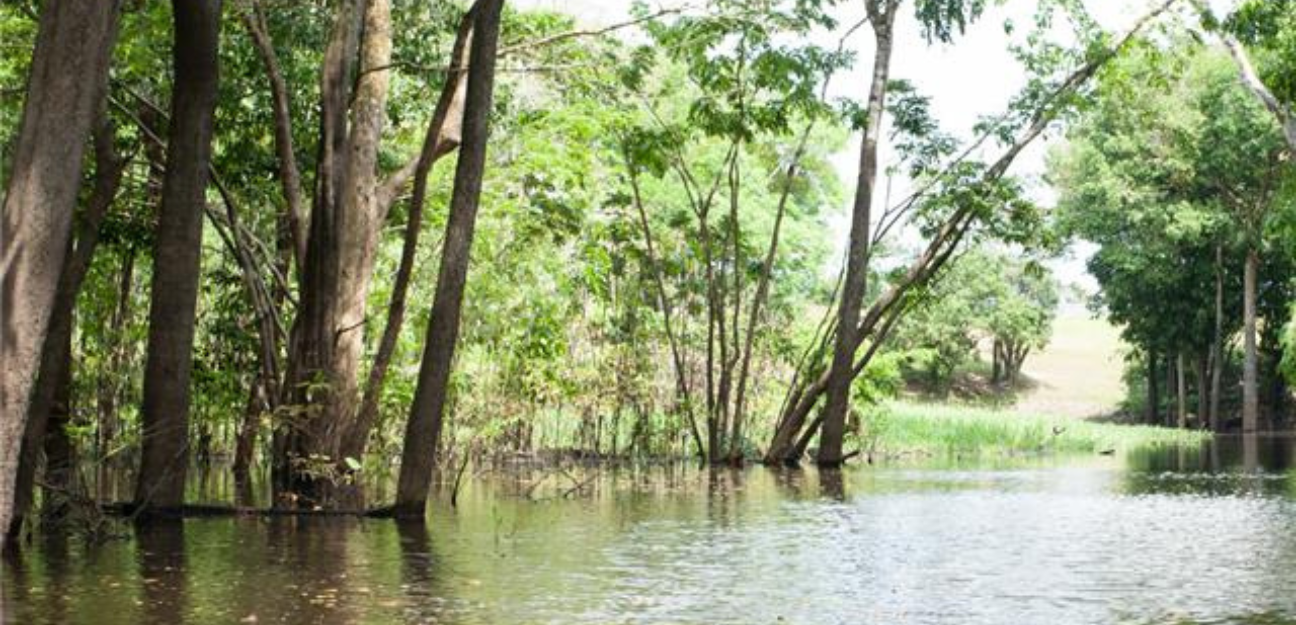
Wetlands, including mangroves, estuaries, lagoons, and coastal marshes, are among the most productive ecosystems on the planet. Although they occupy only about 7 % of the Earth’s surface, wetlands are home to approximately 40 % of global biodiversity and provide livelihoods for more than one billion people worldwide (2). Their importance, however, has long been underestimated. According to the Global Wetlands Outlook (2018), between 1970 and 2015 the world lost over 35 % of its wetlands, with freshwater species populations declining by an average of 85 % over the same period (3). Urban expansion, unsustainable land use, pollution, and climate change continue to accelerate this loss, weakening natural systems that communities rely on for water, food, and protection.
In the Greater Caribbean, wetlands play a central role in supporting sustainable development, not only through their ecological functions but also through their deep connections with cultural identity and traditional knowledge. For generations, Indigenous Peoples and local communities have relied on wetlands for food, shelter, and cultural practices, developing knowledge systems closely attuned to seasonal cycles and ecosystem dynamics. For example, among Garifuna and other coastal communities with persons of African descent in Honduras (4) mangrove ecosystems have traditionally supported artisanal fisheries, boat building, medicinal practices, and communal management systems that regulate resource use and ensure regeneration. These practices have contributed to the long-term resilience of coastal wetlands, while mangrove forests and coastal lagoons continue to act as natural buffers against hurricanes, storm surges, and coastal erosion. At the same time, these ecosystems underpin tourism and fisheries, sustain local livelihoods, and safeguard biodiversity and cultural heritage unique to the region (5). As climate change intensifies, protecting wetlands, together with the traditional knowledge that has shaped their stewardship, becomes essential to safeguarding communities, cultural continuity, and economies across the Caribbean basin.
When wetlands are protected and restored, they deliver benefits that extend far beyond their boundaries. They filter and store freshwater, reduce flood risks, and support fisheries, among many other ecosystem services. These ecosystems are often referred to as “blue carbon” systems because of their exceptional ability to capture and store carbon, making them indispensable allies in addressing climate change. For example, peatlands alone store approximately 30 % of the world’s land-based carbon; twice as much as the world’s forests; while mangroves can sequester up to 4 times more carbon than many tropical forests (6)
Recognizing this reality, the Association of Caribbean States (ACS) places wetland conservation at the heart of its regional cooperation efforts, in line with Strategic Objective C of its Plan of Action 2022–2028, which aims to reduce environmental risks, halt biodiversity loss, and strengthen ecosystem resilience to climate change. This commitment is further reaffirmed in the Declaration of Montería (2025), which recognizes the blue economy as a vital driver of sustainable development and underscores the imperative of safeguarding marine and coastal ecosystems while advancing the designation of the Caribbean Sea as a Special Area in the Context of Sustainable Development. Through policy advocacy, the ACS promotes stronger legal and institutional frameworks to support the conservation and sustainable use of coastal and marine ecosystems. Within Climate Change, Disaster Risk Reduction, and Protection and Conservation of the Caribbean Sea agenda, the Association advances nature-based solutions by highlighting mangrove restoration and wetland protection as cost-effective and resilient responses to climate impacts, while fostering partnerships with key actors. The ACS continues to serve as an intermediary facilitating dialogue and cooperation among its Member States, Associate Members, and partners to address shared challenges such as coastal degradation, pollution, ecosystem loss, and the preservation of the Caribbean’s natural and cultural heritage.
On this World Wetlands Day, the ACS reaffirms its commitment to protecting the blue-green heart of the Greater Caribbean Region. Preserving wetlands is not only an environmental priority; it is a shared responsibility and a strategic investment in resilience, livelihoods, and sustainable development for present and future generations.
References:
- The Ramsar Convention on Wetlands. Ramsar Convention Secretariat; Available online: https://www.ramsar.org
- Wetlands International. Ensuring the Global Biodiversity Framework Prioritises Measures to Safeguard Wetlands and Wetland Biodiversity. Wetlands International; 2022. Available online: https://www.wetlands.org/publication/ensuring-the-global-biodiversity-framework-prioritises-measures-to-safeguard-wetlands-and-wetland-biodiversity/
- Wetlands International. Wetlands at the Heart of Biodiversity and Sustainable Development. Wetlands International; May 21, 2025. Available online: https://www.wetlands.org/blog/wetlands-at-the-heart-of-biodiversity-and-sustainable-development/
- Office of the United Nations High Commissioner for Human Rights. Defending ancestral lands: the Garifuna struggle in Honduras; February 3, 2025. Available online: https://www.ohchr.org/en/get-involved/stories/defending-ancestral-lands-garifuna-struggle-honduras
- Hershey, N.R. & Nandan, S.B. Preserving the Blue Carbon: The Role of Coastal Wetlands in Sustainable Development. In: Joseph, S. & Pradeepkumar, A. (eds), Ecosystem Services Valuation for Sustainable Development. Springer, Singapore; 2024. Available online: https://doi.org/10.1007/978-981-97-4688-0_9
- United Nations Environment Programme (UNEP). Drive to Protect the World’s Wetlands Gains Momentum. UNEP; 2023. Available online: https://www.unep.org/news-and-stories/story/drive-protect-worlds-wetlands-gains-momentum


Share


